

Why the Yellow River: Aligning Six Global Frameworks with One Living Laboratory
The WHENCE Initiative was not created to be “just another project.” It was designed to serve as a testbed where six major global water agendas can be verified, localized, and replicated. The Yellow River is uniquely positioned for this role—not only as the cradle of Chinese civilization but also as a river system where science, governance, education, cultural heritage, and social participation converge in ways that directly correspond to each framework:
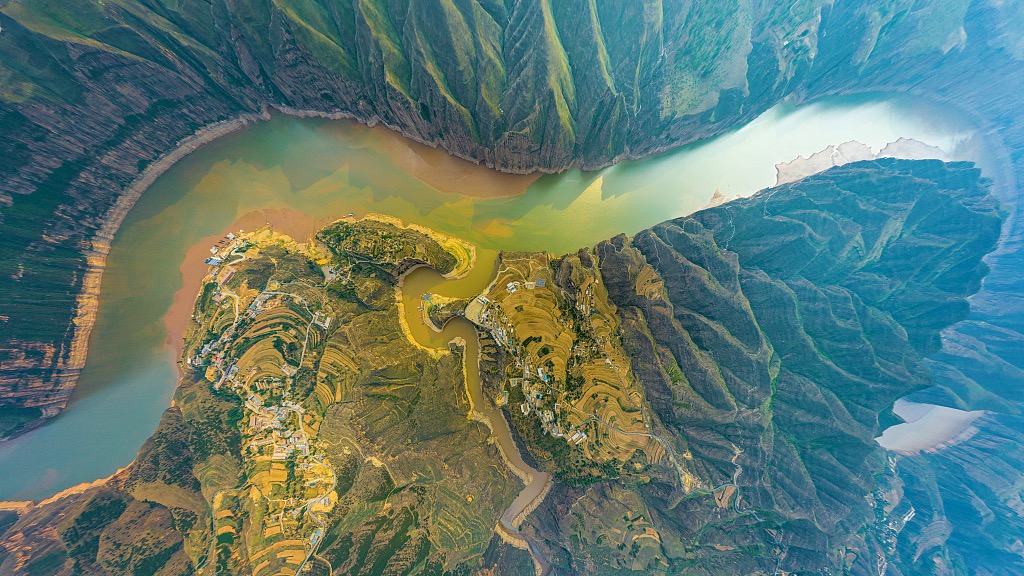
In short, the Yellow River transforms these six frameworks from principles into practices. This is why WHENCE is not optional but necessary: it demonstrates how a single complex river basin can bring global agendas to life.
WHENCE translates the Yellow River’s scientific and cultural experience into five accessible action tracks, ensuring that participation is affordable, safe, and supported with full accommodation and daily care — addressing the core barriers for international youth involvement.

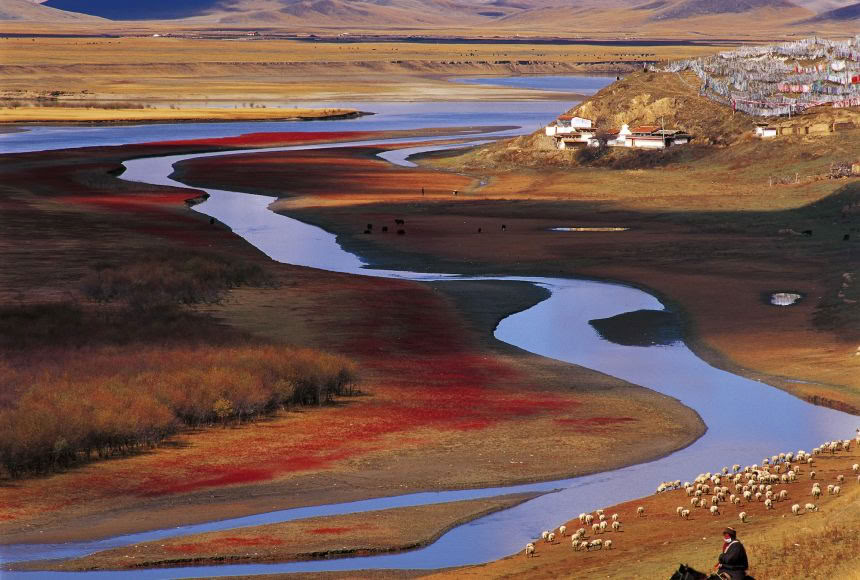
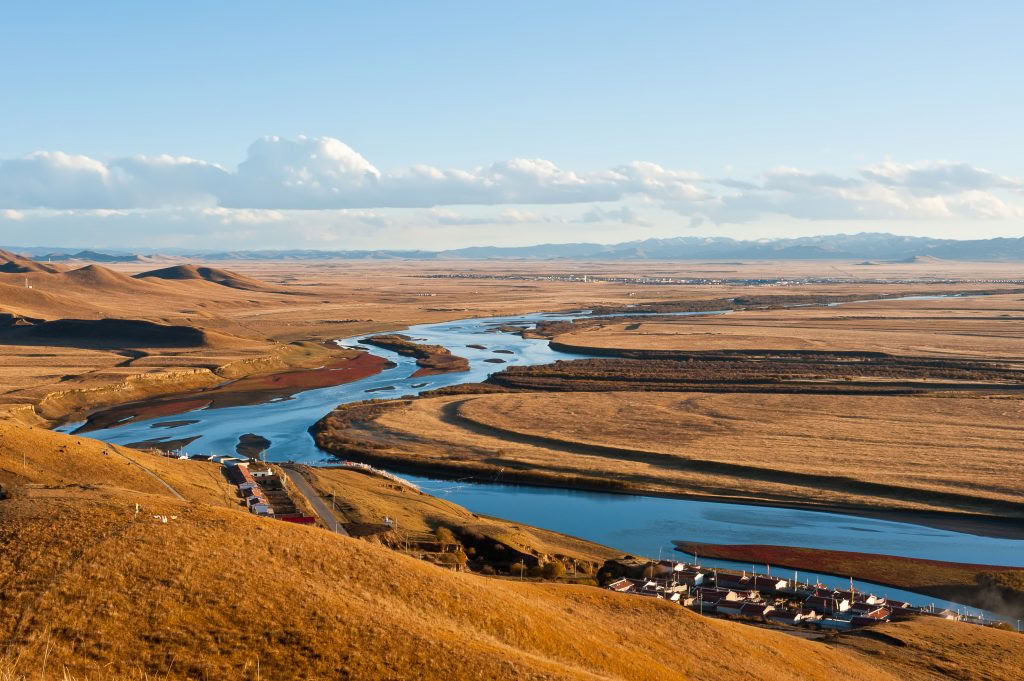
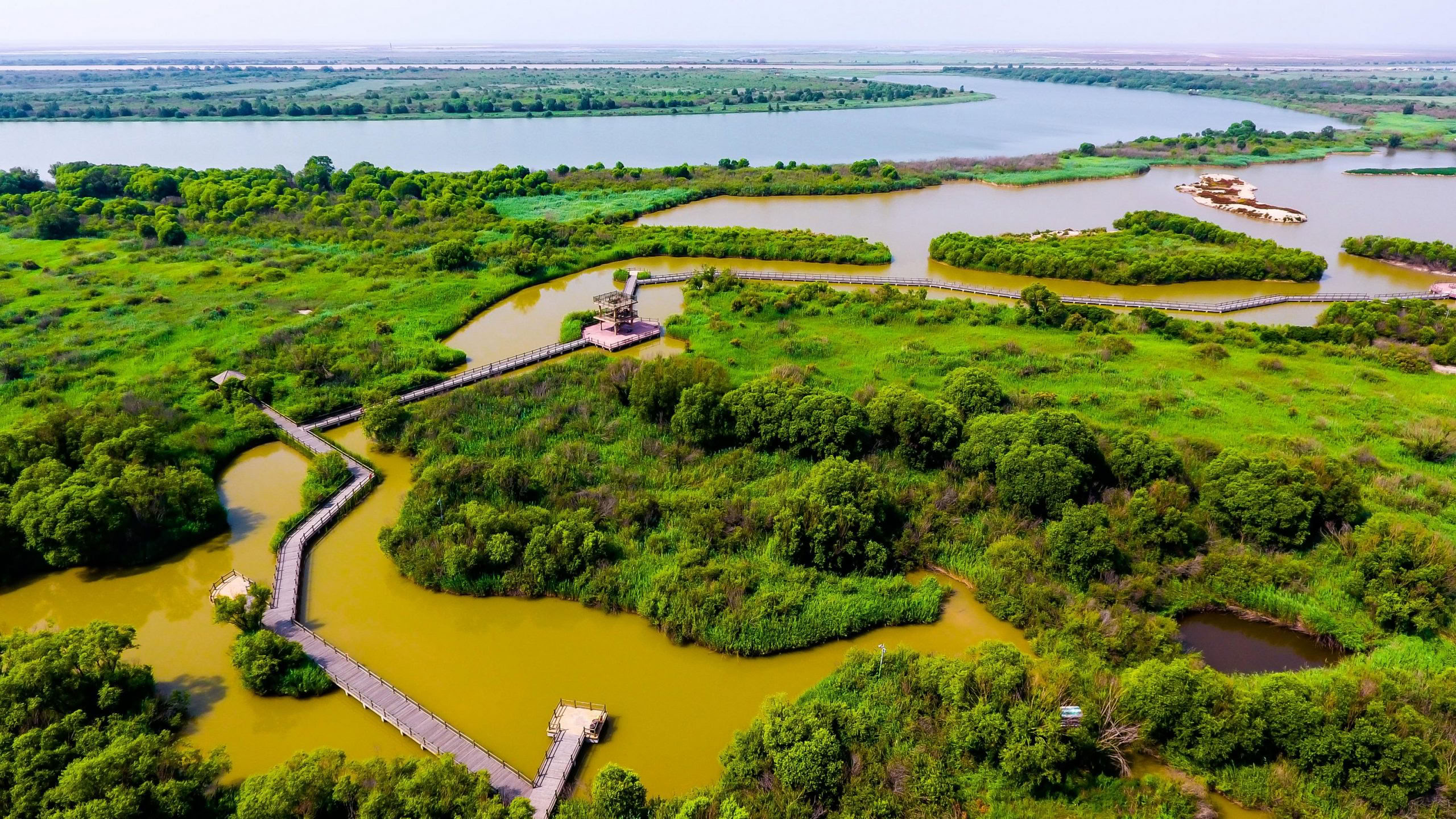
Immersive Learning Journeys – Field-based exploration at hydraulic hubs, wetlands, and heritage landscapes, making abstract topics like sediment regulation, ecological flows, and soil–water conservation tangible and experiential.

Service-Oriented Practice Labs – Youth work alongside local authorities in small-scale community projects: waste cleanup, ecological monitoring, water-saving campaigns, oral history collection, and cultural exhibit support.

Cross-Sector Dialogues – Engaging water authorities, ecological managers, cultural institutions, schools, enterprises, NGOs, and media in multi-stakeholder collaboration driven by youth participation.3. Cross-Sector Dialogues – Engaging water authorities, ecological managers, cultural institutions, schools, enterprises, NGOs, and media in multi-stakeholder collaboration driven by youth participation.

Global Storytelling & Communication – Training participants to transform their fieldwork into documentaries, interactive maps, data visualization, and touring exhibitions, making the Yellow River a shared global narrative.

Recognition & Certification – Linking each activity with heritage badges, official certificates, and digital records, ensuring every contribution is formally recognized and integrated into SDG reporting.
Key point: WHENCE is not only about learning—it is about enabling participation with the infrastructure of safety, housing, meals, and mentoring that makes cross-border education feasible.
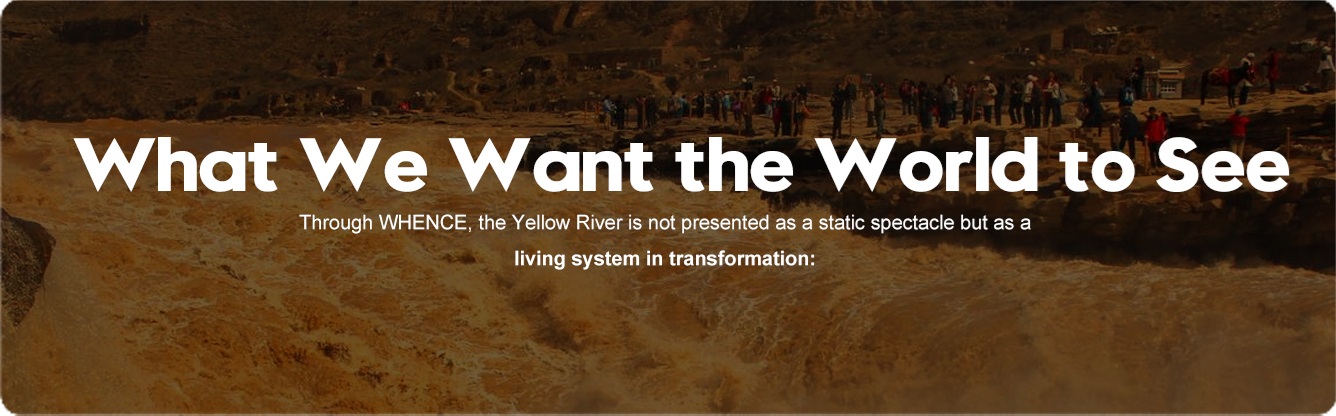
The message to the world is clear: the Yellow River is not only a Chinese story—it is a global method package for how science, governance, community engagement, and culture can be woven into an integrated river basin solution.
Who Participates
WHENCE is youth-centered but not youth-exclusive. The initiative engages:
Milestones to 2030
WHENCE is committed to concrete deliverables, aligned with the Water Action Agenda and SDG 6:

Youth Ambassadors: select 50 youth ambassadors to share Yellow River practices at international forums.

Global Dialogue: establish the “World River Civilization Annual Dialogue,” connecting ten major river basins worldwide.

Cultural Exhibition: launch the “Yellow River Civilization” touring exhibition across at least five Belt and Road countries.

Digital Toolkit: publish multi-language digital tools on sediment management and ecology for adoption in 50+ countries.

Learning Camps: host river basin camps on water and wetlands, attracting 300,000 youth participants.
Volunteer Engagement: mobilize 10,000+ participants for river cleanup and water-saving campaigns.
Global Outreach: distribute Yellow River documentaries and case studies to 50 countries.
In essence, WHENCE turns the long-term governance of a single river into a public classroom and global action platform, open to youth, educators, and professionals alike.