


Positioning and Vision
The International Outdoor Camp Pact is not merely a consortium of camps; it is a global platform dedicated to shaping the standards, practices, and professional capacity of youth outdoor education as a whole. Our vision is to position outdoor education as a structured learning domain—encompassing cultural exploration, ecological literacy, physical development, and civic engagement—rather than a single-issue activity.

In doing so, the Pact aligns itself with internationally recognized frameworks and values. The principles of Leave No Trace (LNT) have long served as a cornerstone of outdoor ethics, while the LNT Gold Standard has provided a benchmark for evaluating camps and programs on their overall performance in sustainability and education. Equally, the Pact responds to the UNESCO ESD for 2030 framework, which emphasizes policy, learning environments, educator training, youth empowerment, and community engagement, and resonates with the objectives of SDG 4 (Quality Education) and SDG 15 (Life on Land). By rooting itself in these widely endorsed agendas, the Pact ensures that outdoor education is understood as both a local practice and a global responsibility.
Pathways for Implementation
To translate vision into practice, the Pact advances its work through interconnected pathways:
Establishing comprehensive benchmarks for camp operations, educational content, activity design, and sustainability management. These standards draw on international references such as the LNT Gold Standard while remaining adaptable to regional contexts.

Delivering training, workshops, and certification programs for camp directors, educators, and facilitators. Areas of focus include outdoor ethics, intercultural facilitation, safety and risk management, and the integration of SDG-based curricula.

Linking established platforms across North America, Europe, Asia-Pacific, and Africa into a collaborative ecosystem. Through initiatives such as international camp weeks, cross-border partnership camps, and thematic exchange programs, the Pact creates opportunities for shared practice and innovation.

Converting SDG themes into actionable outdoor education modules, enabling young people to engage meaningfully in sustainability while recording their achievements. Learning hours and outcomes are captured in the SCENES digital certification platform, ensuring that participation is transparent, verifiable, and internationally recognized.
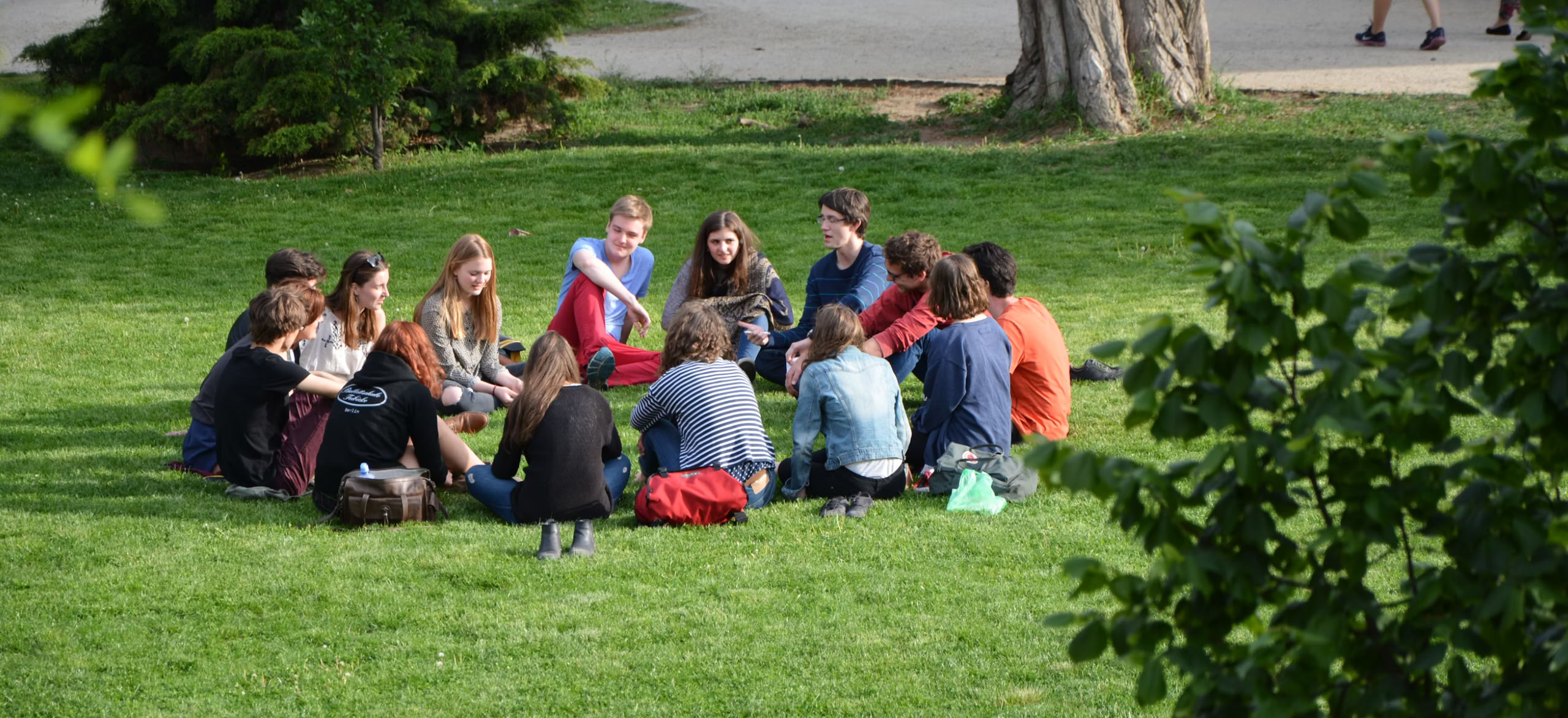
Together, these pathways form a coherent mechanism that strengthens not only individual camps but the outdoor education sector at large.
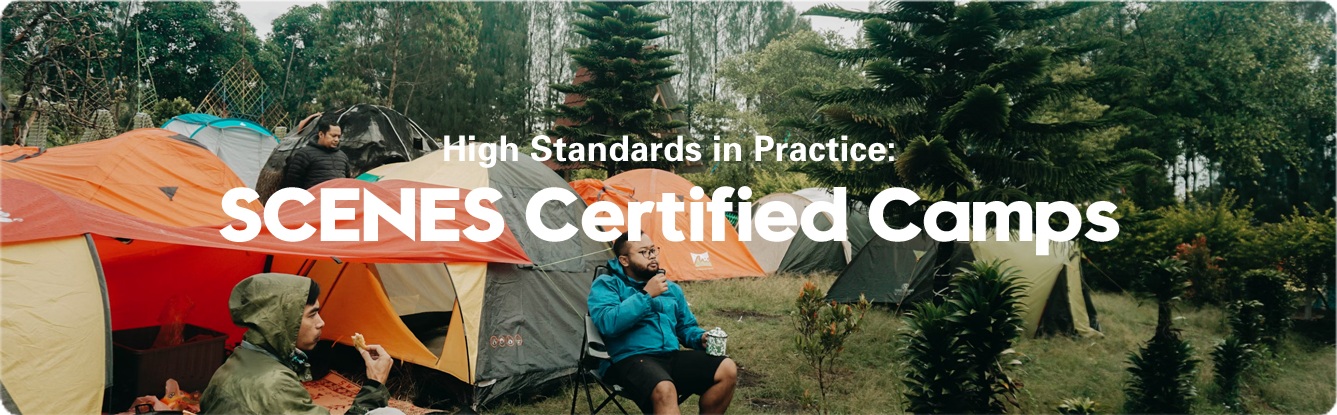
Globally, a network of SCENES Certified Camps has already demonstrated what high standards in outdoor education can achieve. Located across Europe, the Americas, Africa, and Asia-Pacific, these camps are recognized for their excellence in environmental management, curriculum design, and sustainable governance.
Their significance lies in proving that a camp is not just a site of recreation but a comprehensive learning environment, linking youth education, environmental responsibility, and international exchange. The International Outdoor Camp Pact uses this global benchmark as a point of reference, encouraging participating camps to aspire to and align with such internationally recognized standards.
Outlook
By building standards, cultivating professional talent, integrating regional platforms, and referencing global best practice, the International Outdoor Camp Pact is shaping a professional and internationally credible framework for youth outdoor education. Our ambition is that, in the years ahead, camps across all continents will grow within this structure, young people will gain cross-border learning experiences, and outdoor education will be firmly embedded in the global sustainable development agenda.
The Pact is more than a program; it is an evolving framework that elevates outdoor education to its rightful place as a driver of youth development, cultural exchange, and sustainable futures.