Positioning and Vision
The World Youth Programme is the core component of the SCENES Framework designed specifically for individual young people. While other pillars focus on institutions and networks, this programme directly empowers youth with structured curricula, action pathways, and internationally recognized certification.

The vision of the Programme is to cultivate future-ready global citizens by aligning personal development with the Sustainable Development Goals (SDGs). It provides a comprehensive framework for young people to grow across cultural, environmental, social, and technological dimensions, ensuring balanced development of skills and values. It also plays a catalytic role in helping countries and youth institutions adapt these global principles to their local cultural and educational contexts.
This vision resonates with international frameworks such as the UN Youth Strategy 2030, which highlights youth as essential drivers of global change, and UNESCO’s ESD for 2030, which emphasizes transformative education, youth agency, and community engagement. The Programme operationalizes these global strategies by turning them into youth-led learning and action, tailored to national and local realities.
Pathways and Content Framework
The World Youth Programme is structured around five domains and one civic action track, each combining educational modules with practical engagement:
Promoting intercultural learning, heritage safeguarding, artistic expression, and field-based inquiry to foster respect and inclusion.
Exploring sustainable agriculture, food security, and food culture, aligned with SDG 2: Zero Hunger and educational initiatives of FAO and WFP.
Addressing climate change, biodiversity, pollution control, and community environment-building, in line with SDG 13 Climate Action and SDG 15 Life on Land.
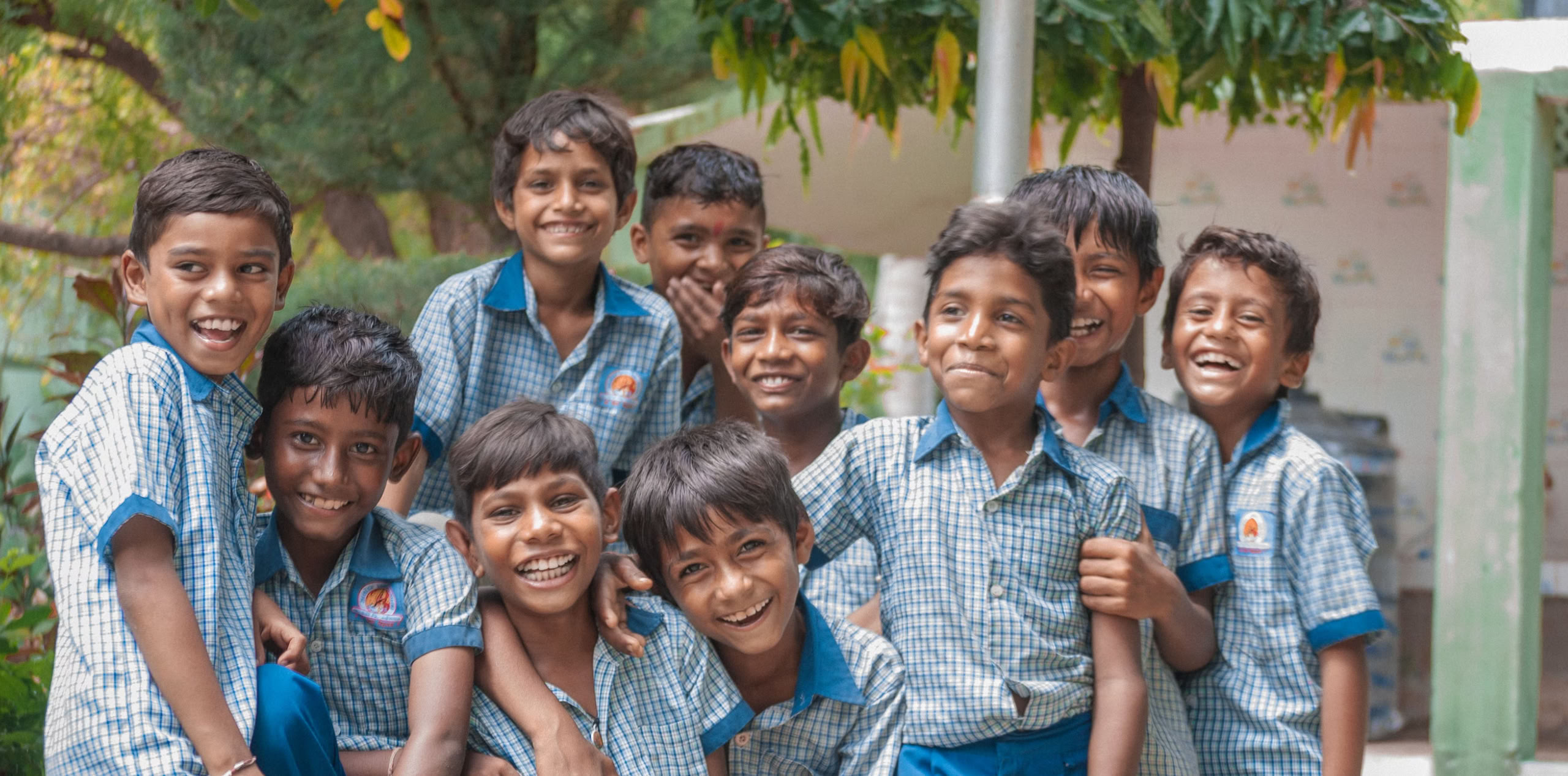

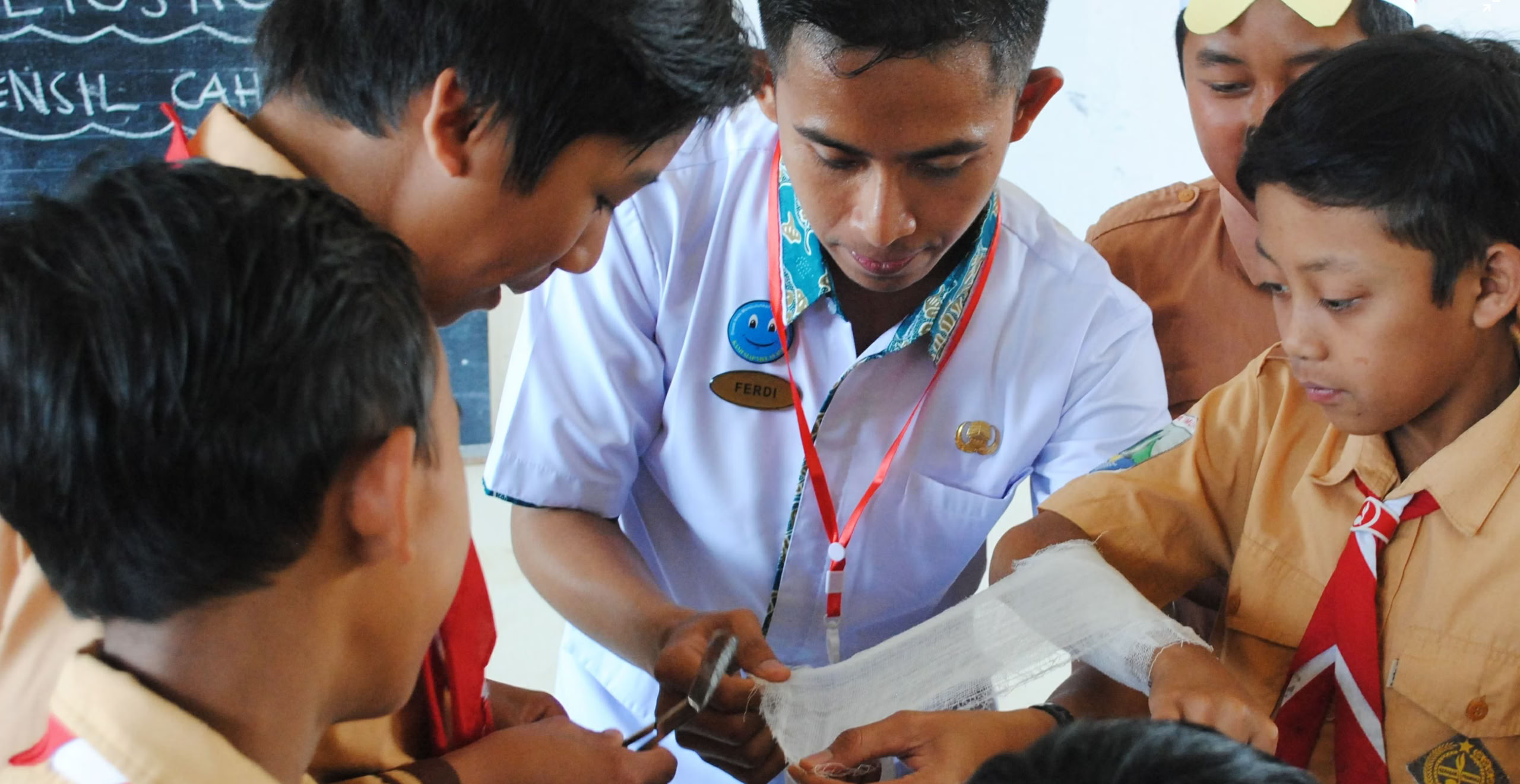
Enhancing physical literacy, outdoor skills, and outdoor ethics, echoing the principles of Leave No Trace (LNT) and global health agendas on youth wellbeing.
Covering fundamental science, digital skills, innovation practices, and creative reuse of traditional crafts, contributing to SDG 9 Industry, Innovation and Infrastructure.
Encouraging youth involvement in governance, volunteering, and community action, directly aligned with SDG 16 Peace, Justice and Strong Institutions.
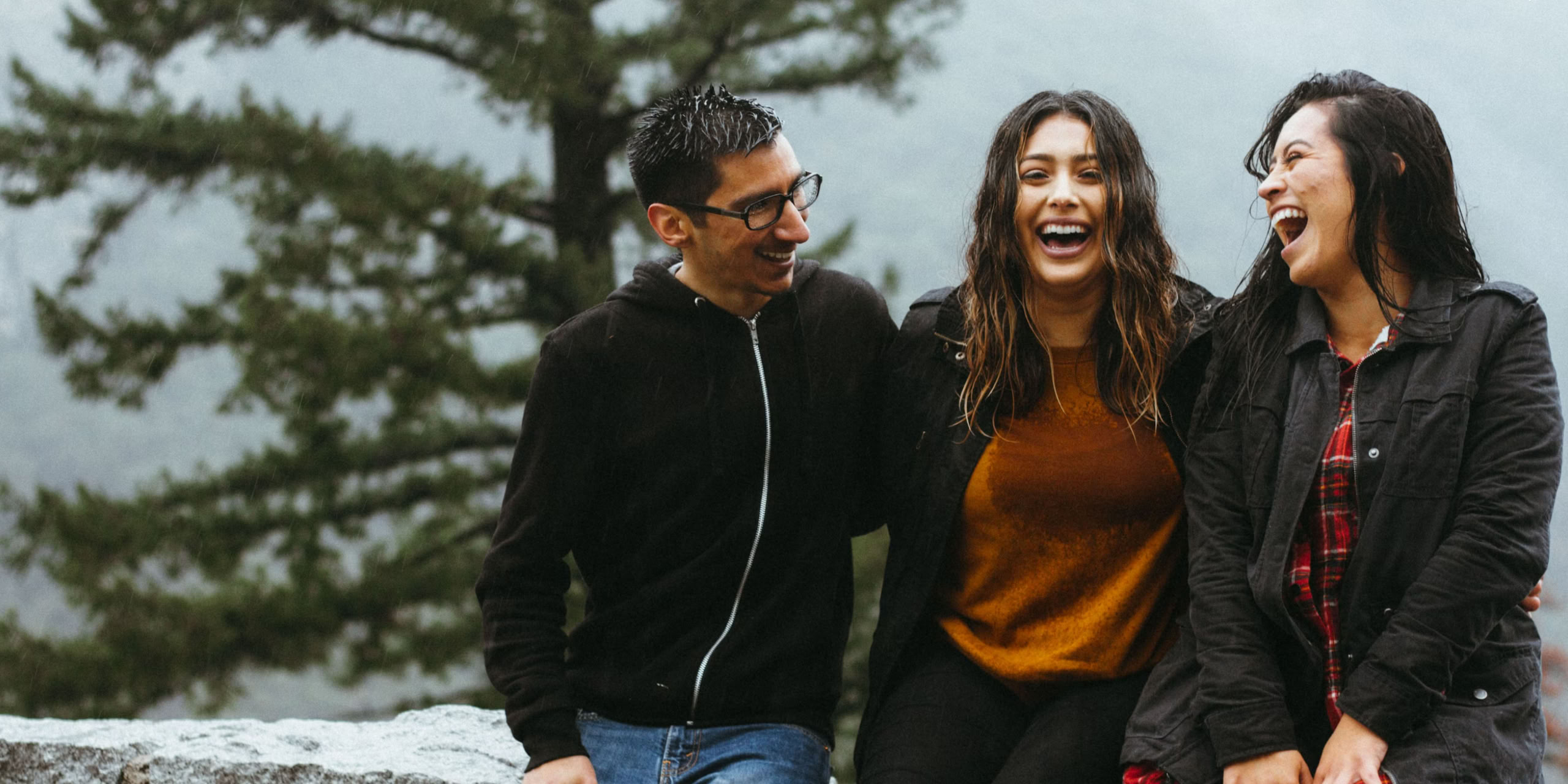
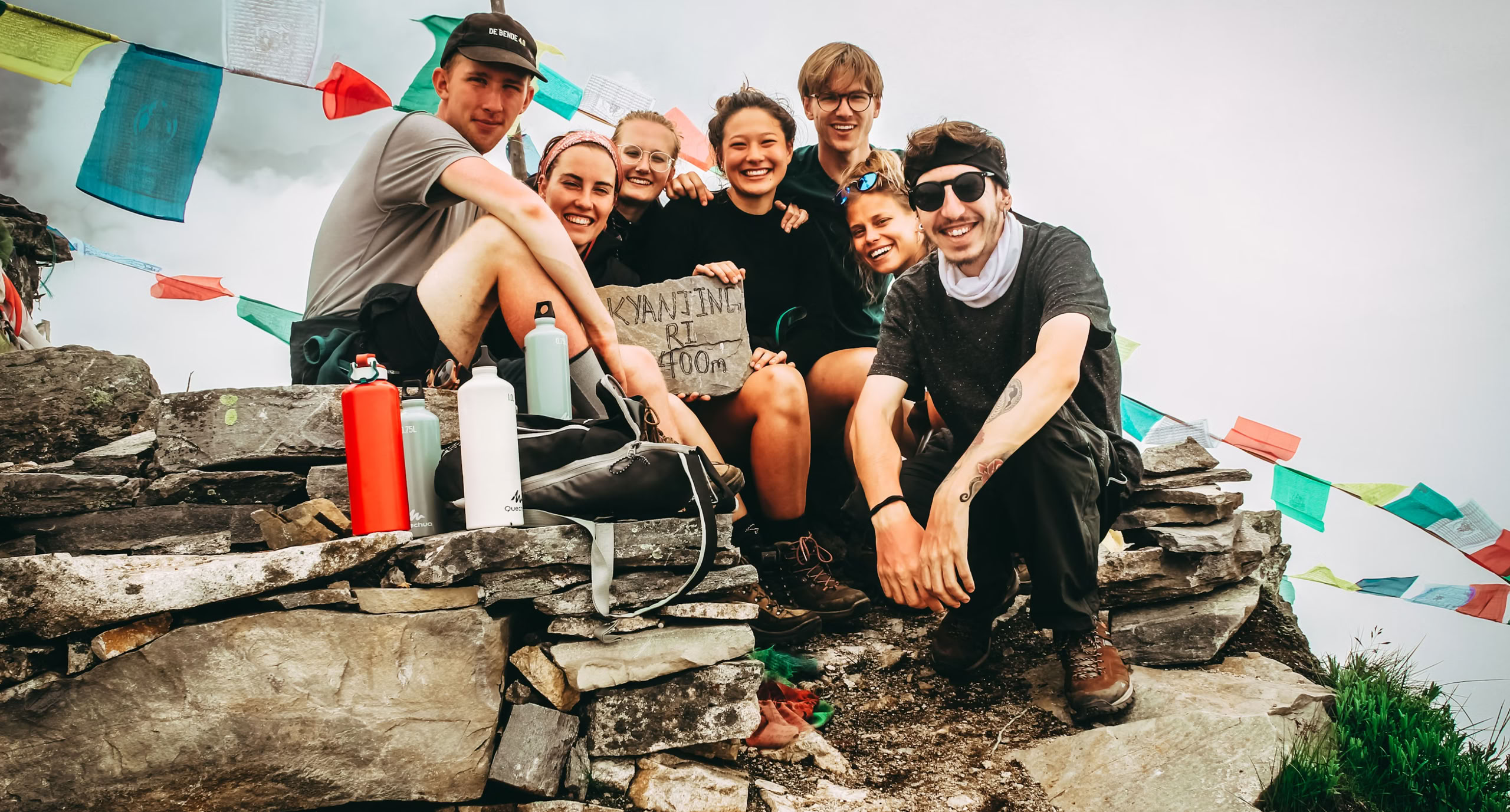
Each area provides a dual structure of curriculum modules and action pathways, adaptable to schools, camps, youth groups, and community projects. Outcomes are tracked and verified through the SCENES digital certification platform, ensuring international recognition.
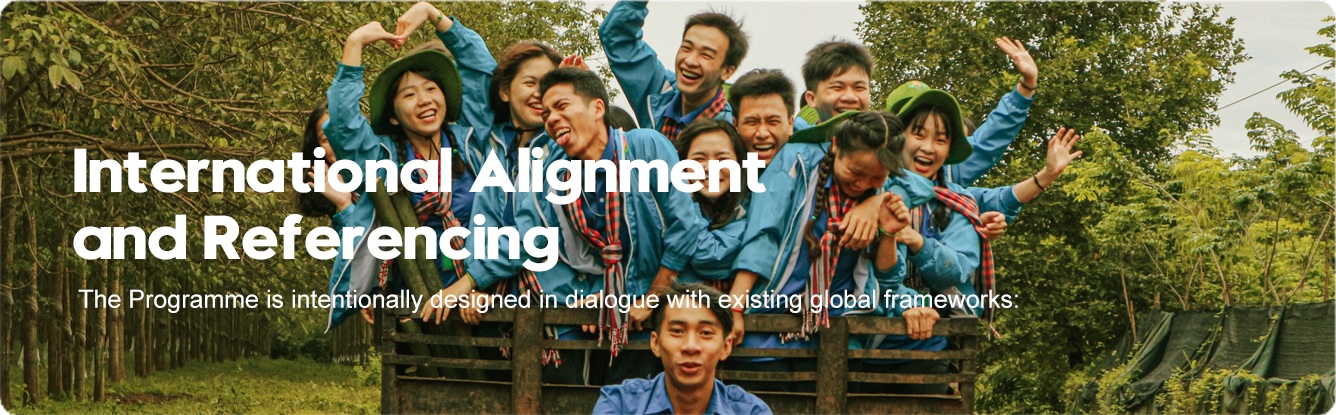
While many of these international strategies provide visionary guidance, they often face challenges in local adaptation. The World Youth Programme addresses this gap by helping countries translate global agendas into locally relevant practices — adapting curricula, actions, and recognition pathways to each cultural and social context. In this way, the Programme ensures that international principles are not only referenced but are also implemented and owned at the local level, allowing youth development to be both globally connected and contextually grounded.
Outlook and Impact
Looking forward, the World Youth Programme will expand both its scope and influence: deepening curriculum content, broadening implementation settings, and partnering with more international and regional organizations.

Ultimately, the Programme positions youth as active agents of the SDGs, enabling them not only to learn and grow but also to contribute visibly to the sustainable future of our world.